Reading 4-Letter Words
After my daughter had started reading simple stories, I wanted her to be able to read some new words. She could read 4-letter words with 3 sounds, words like “duck” and “hill”, but she couldn’t read the word “pond” yet.
So we started practicing a couple strategies for reading longer words. And then we started practicing reading these words in sentences.
PREVIOUS GUIDE
Reading Short Passages
The first strategy we’ll use will be reading a 3-letter word they know, and adding one new letter to the front. For example: s + and = sand

START HERE
3 Letters, and 1 New Sound
TRY THIS FIRST



Write “and”
Have your child read the word “and”
Now put an “s” in front
Have them read the “s” and then say “and”. It should sound like s-and
Blend it Faster
Have them keep blending it faster until they recognize the full word: sand
-
Heart words are words that have a tricky part we need to remember by heart, because it doesn't make the sound we'd normally expect.
For example, “said” is a heart word. It's pronounced “sed,” so we need to remember that the “ai” makes an “eh” sound.
Once we know the tricky part, we can sound out the rest of the word normally.
Since “a” and “I” are just one-letter words, we only need to remember the sound each one makes.
For more help with blending sounds, see the explanation in my Reading Simple Sentences guide.

AFTER THEY’VE LEARNED “A” AND “I”
Reading “Is, As, His, Has”
When words share a pattern, it’s really helpful to introduce them together. In this case, all of these words have a final “s” that’s making a “z” sound.
TRY THIS FIRST
Explain that in this word, the “s” is making a “z” sound. Now have them sound it out.
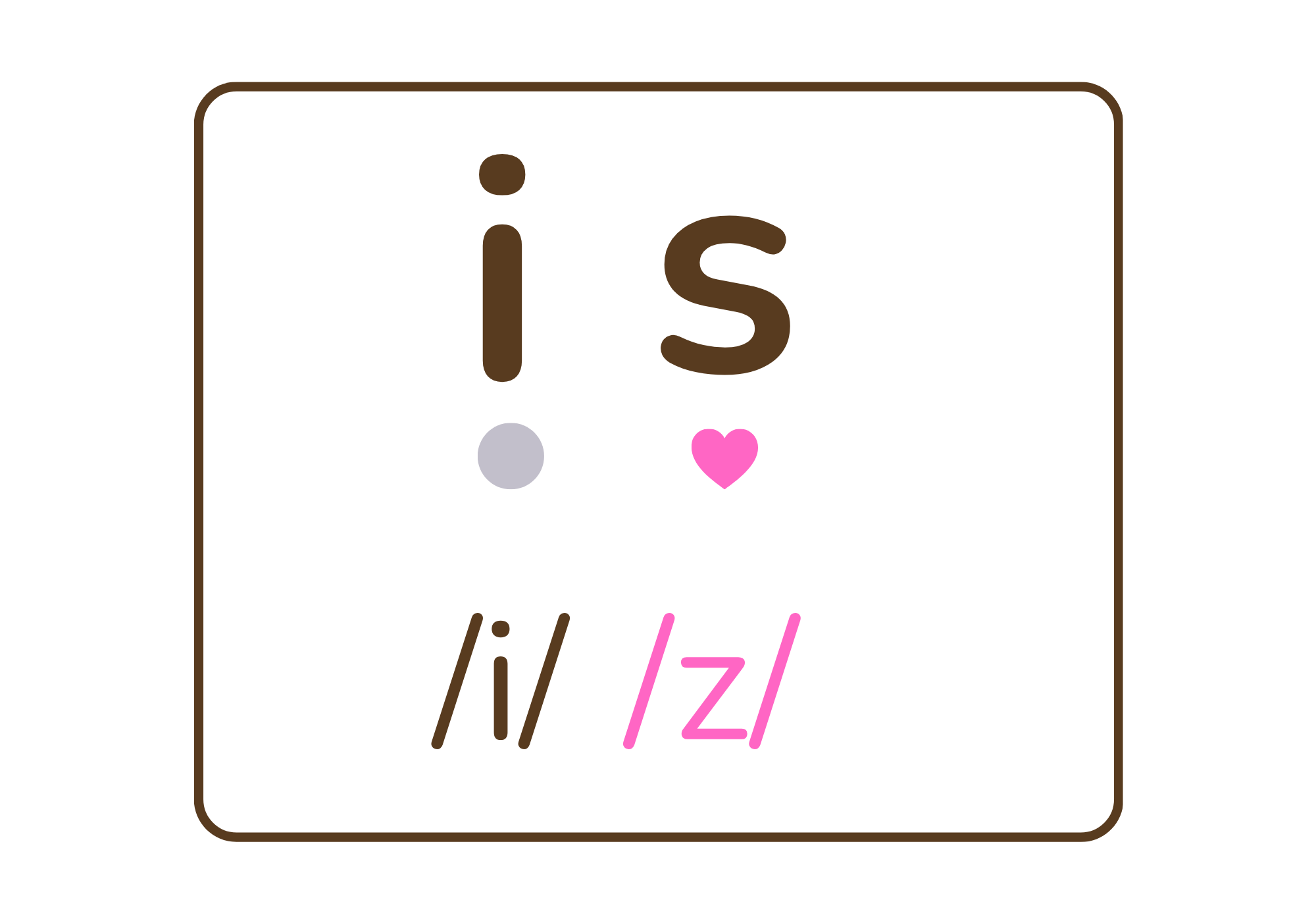
Write the word “is”
Draw a heart under the “s”
Write “as” “his” and “has”
Explain that these words also have a final “s” making a “z” sound. Try to sound them all out.
Now try reading these phrases:
It is his dog
As big as a pig
Sometimes two letters team up to make a single sound. One example is double consonants, like “ff,” “ll,” “ss,” and “zz.” We also see this in words with “ck,” like “duck” and “rock.” Both “c” and “k” make the /k/ sound, but when they're together, we only say the sound once.

AFTER LEARNING “IS, HAS, HIS, HAS”
When Two Letters Make a Single Sound
TRY THIS FIRST
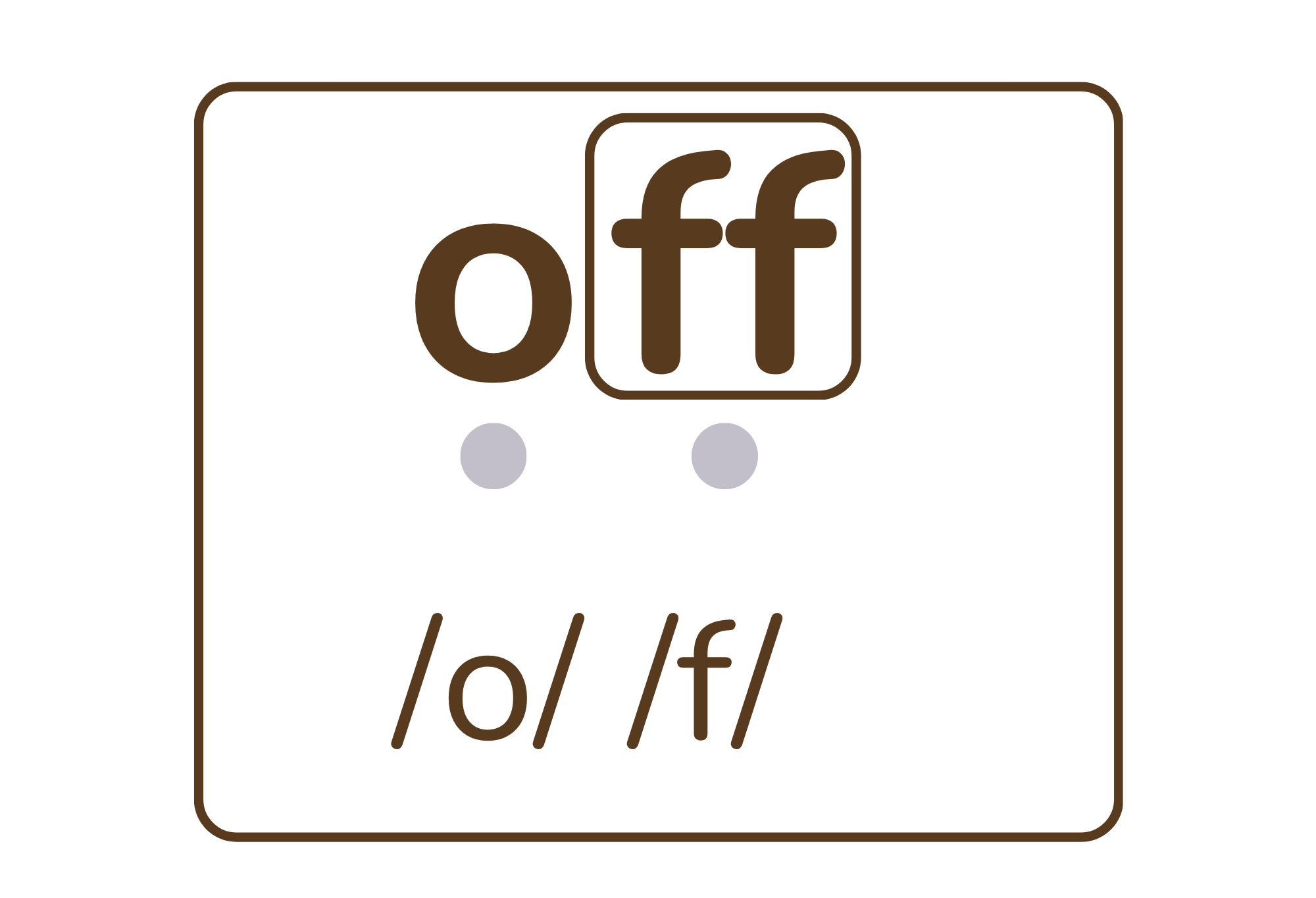
Write the word “off”
Box the “ff”, and explain that it only makes the /f/ sound once. Now sound it out.
Practice reading a few “ff” words

Now try “ss” “ll” and “zz”

Write the word “ick”
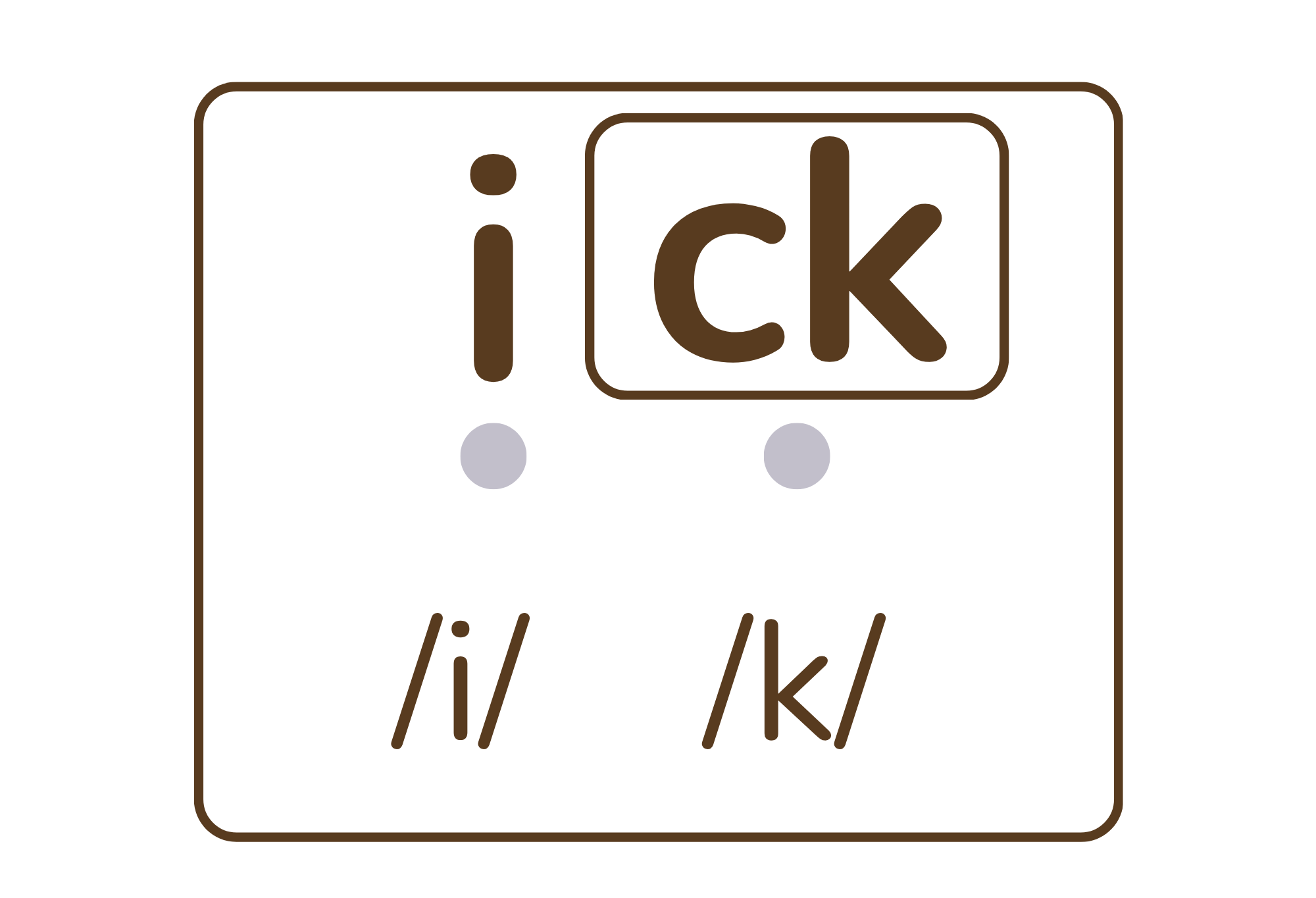

Box the “ck”, and explain that it only makes the /k/ sound once. Now sound it out.
-
Sometimes when children are learning to read double consonants (like “ll,” “ff,” “ss,” and “zz”), they’ll try to make the letter sound twice.
That’s completely normal! Just remind your child that when they see two of the same letter together, they only make the sound once. Then have them try sounding out the word again.
With practice, they’ll get used to this new letter pattern.
Once you start putting a few sentences together, you can tell a simple story. Now that your child has learned a few new words and letter patterns, have them try and read a short passage.

AFTER LEARNING DOUBLE CONSONANTS AND “CK”
Reading Short Passages
TRY THIS FIRST
Read the following story:
Jack ran up the hill.
His dog ran with him.
Jack has a fun dog!
-
When children first start reading short passages, they may lose their place in the story. You can help by pointing to the word they were reading.
If they forget a heart word, remind them of the tricky sound (for example, the “s” in “his” makes a /z/ sound), then have them try again.
If they forget a letter pattern, like “ck” making just one /k/ sound, simply remind them of the pattern.
At this stage, your child will probably still be reading slowly and sounding out many of the words. Make sure to praise their effort! Then reread the passage aloud so they can hear how it sounds when read smoothly and focus on understanding the story.
Want more practice with short passages? Check out my free Reading Connected Sentences worksheet.