Sounding Out Words
When I wanted to teach my daughters to read, this is how we started. First, we worked on learning the letters of the alphabet and their sounds. Then we practiced taking those sounds and blending them together, starting with two-letter words and eventually working up to simple three-letter words.

START HERE
Learn the Letter Sounds
The first step is helping your child recognize the letters and remember the sounds they make.
TRY THIS FIRST




Show one letter at a time.
Start with these four letters:
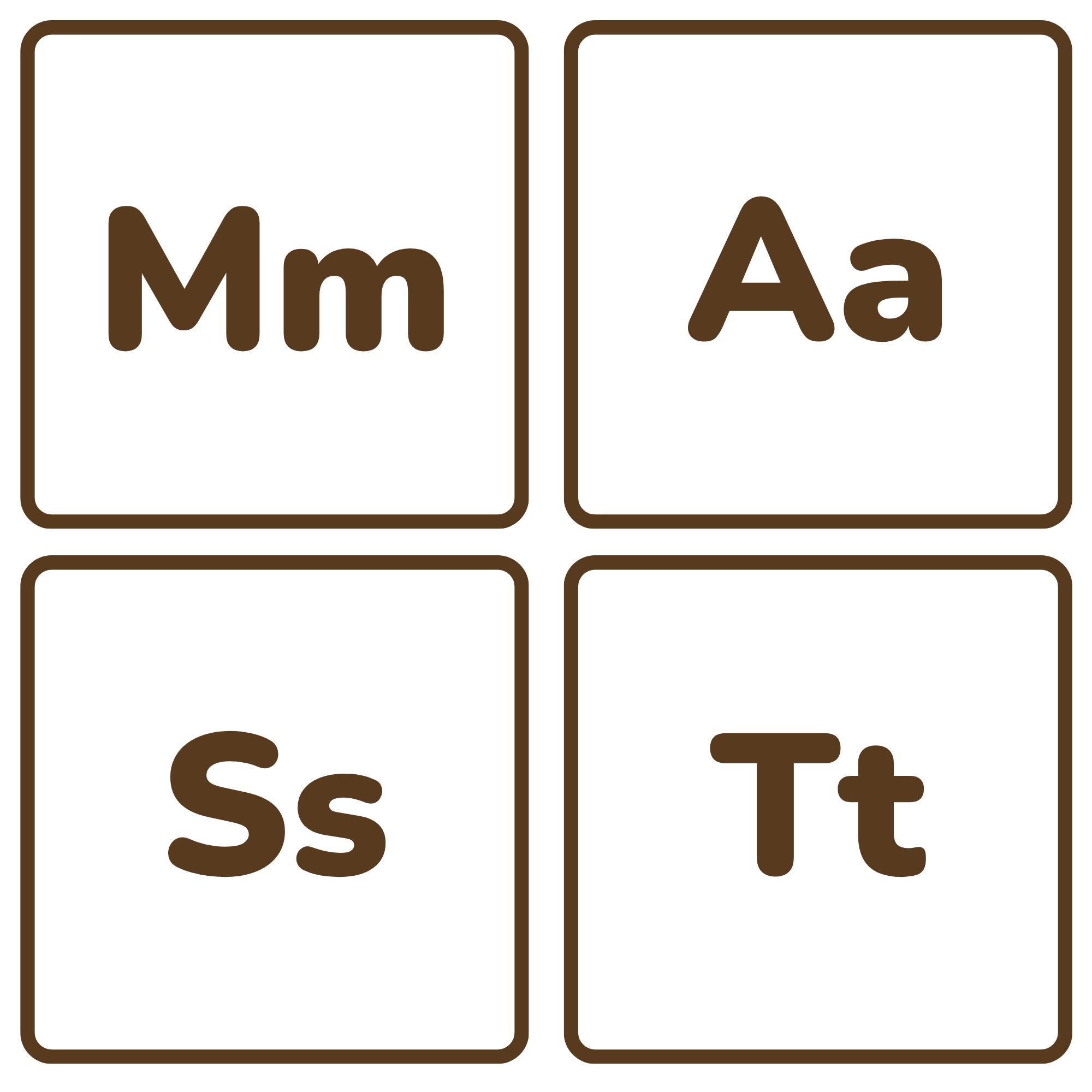
Say the sound.
For example, hold up “M” and say, “this says /mmm/” (not “em”)
Have your child repeat it.
Have them say the sound back to you.
Do a quick review.
After you’ve taught M, A, S, and T, mix them up and see which ones they remember.
-
Focus on the sound the letter makes, rather than its name. Try to say the sound without adding an extra “uh” at the end. For example, D should be a quick /d/ sound, not “duh,” and T should be /t/, not “tuh.” This will make it much easier for your child to blend sounds together later.
Some letters can make more than one sound. For now, just teach the sound your child will use most often in simple words. For example, teach the hard C sound in cat before the soft C sound in city, and the hard G sound in go before the soft G sound in giant. You can introduce the other sounds later.
You don't need to teach the alphabet in order. I like to start with a small group of letters that can quickly be used to make words. M, A, S, and T are good starting letters.
Work on just a few sounds at a time. Teach the uppercase and lowercase versions together, so your child learns to recognize the letter either way. Once your child recognizes those quickly, add a few more. You can use letter cards, magnetic letters, or simply write the letters on a piece of paper. It doesn't need to be complicated.
Keep practice short, especially with younger kids. A few minutes is plenty. If your child is losing interest or getting frustrated, stop and try again another time.
When are they ready to move on?
Once your child can look at the letters you're practicing and say their sounds quickly, you can start showing them how to blend those sounds together to make words.
-
Once my daughters knew a few sounds, we'd turn it into a game.
I'd spread eight or nine flashcards on the floor and call out a sound. Their job was to find the matching card.
Sometimes they'd jump on it.
Sometimes they'd tap it.
Sometimes we'd have a favorite toy stomp on it.
You know your child best, so pick what you think they’ll like (or give them the choice). My daughter really loved picking out a different animal to stomp on the flashcards for each round of the game. It kept it fun for her.
-
My child keeps forgetting the sounds.
That’s okay. Just tell them the sound and keep going. You don’t need to wait until every sound is perfect before practicing again. Keep working with a small group of letters until they start remembering them more consistently.My child is mixing up letters.
If two letters are causing trouble, practice them separately for a while. You can also reduce the number of cards you’re using and add more back in once those letters feel easier.My child knows the sound sometimes, but not every time.
That’s normal while they’re learning. Give them a moment to remember it, and if they can’t, tell them the sound. With repeated practice, they should start recalling it more quickly.My child is getting bored or frustrated.
Stop for the day. These lessons can be very short. Even a few positive minutes of practice is useful, and you can always come back to it later.Do they need to know every letter sound before moving on?
I taught all of the basic letter sounds before we started sounding out words, but you don’t need to wait until your child recalls every sound perfectly every time. If they generally know their sounds but occasionally forget one, you can remind them and keep going.

AFTER THEY’VE LEARNED THE LETTERS
Blending Sounds
Once your child knows their letter sounds, the next step is teaching them how to push those sounds together to make words.
TRY THIS FIRST
Start with two sounds.
Write a simple word like “am”
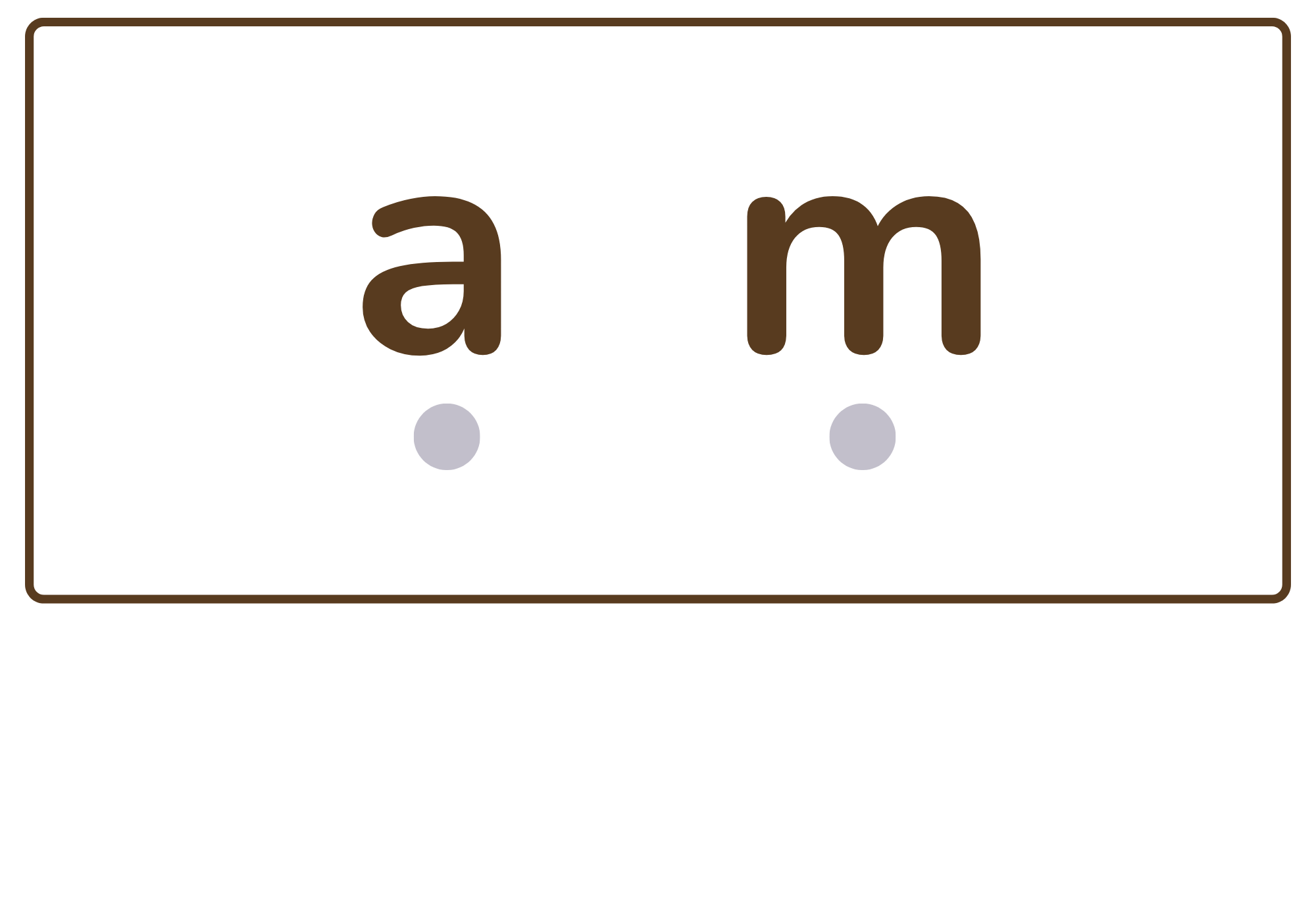
Have them say both sounds
Point to each letter, and have your child say its sound.
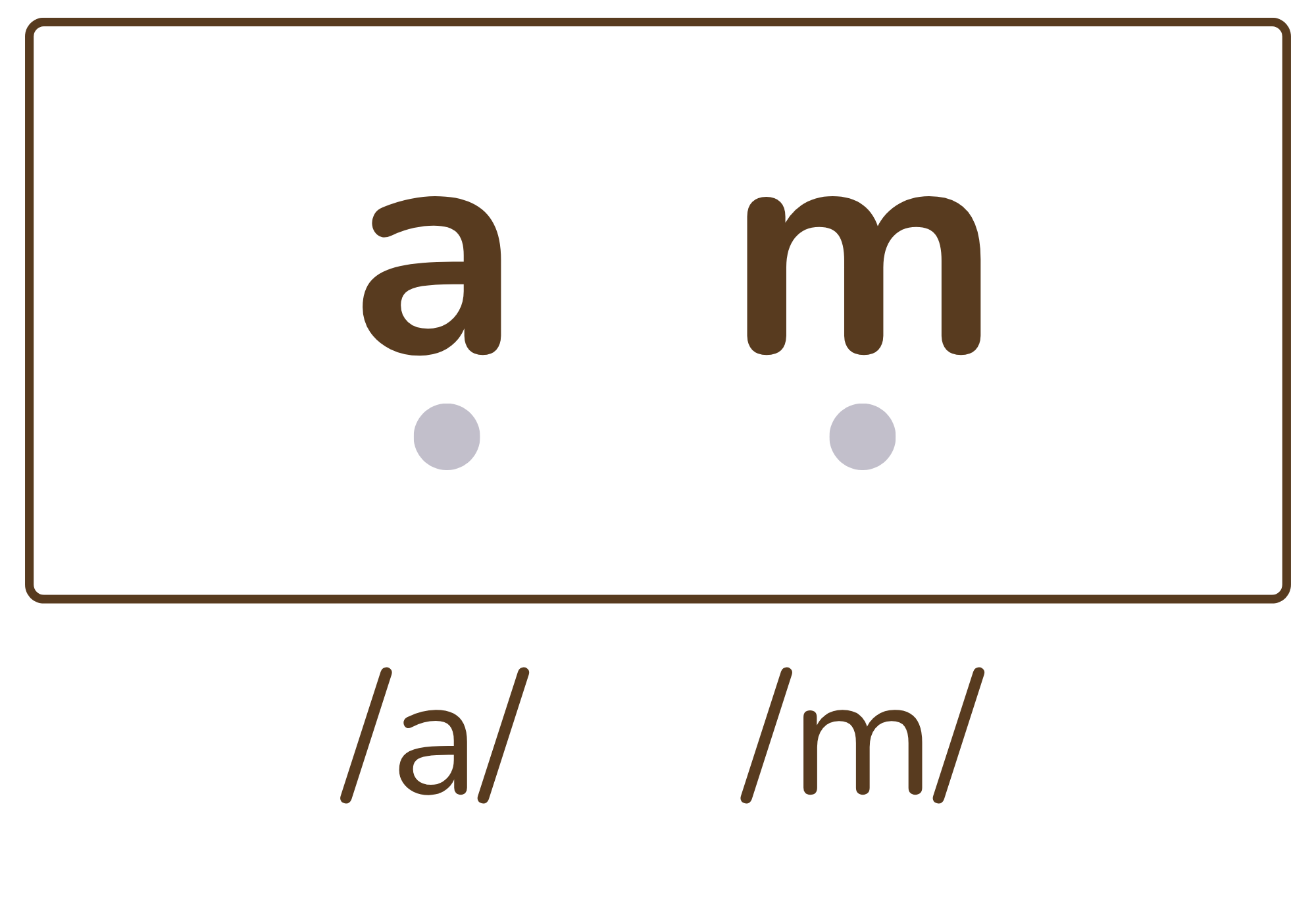
Stretch out the sounds
Have them move from one sound straight into the next without pausing.
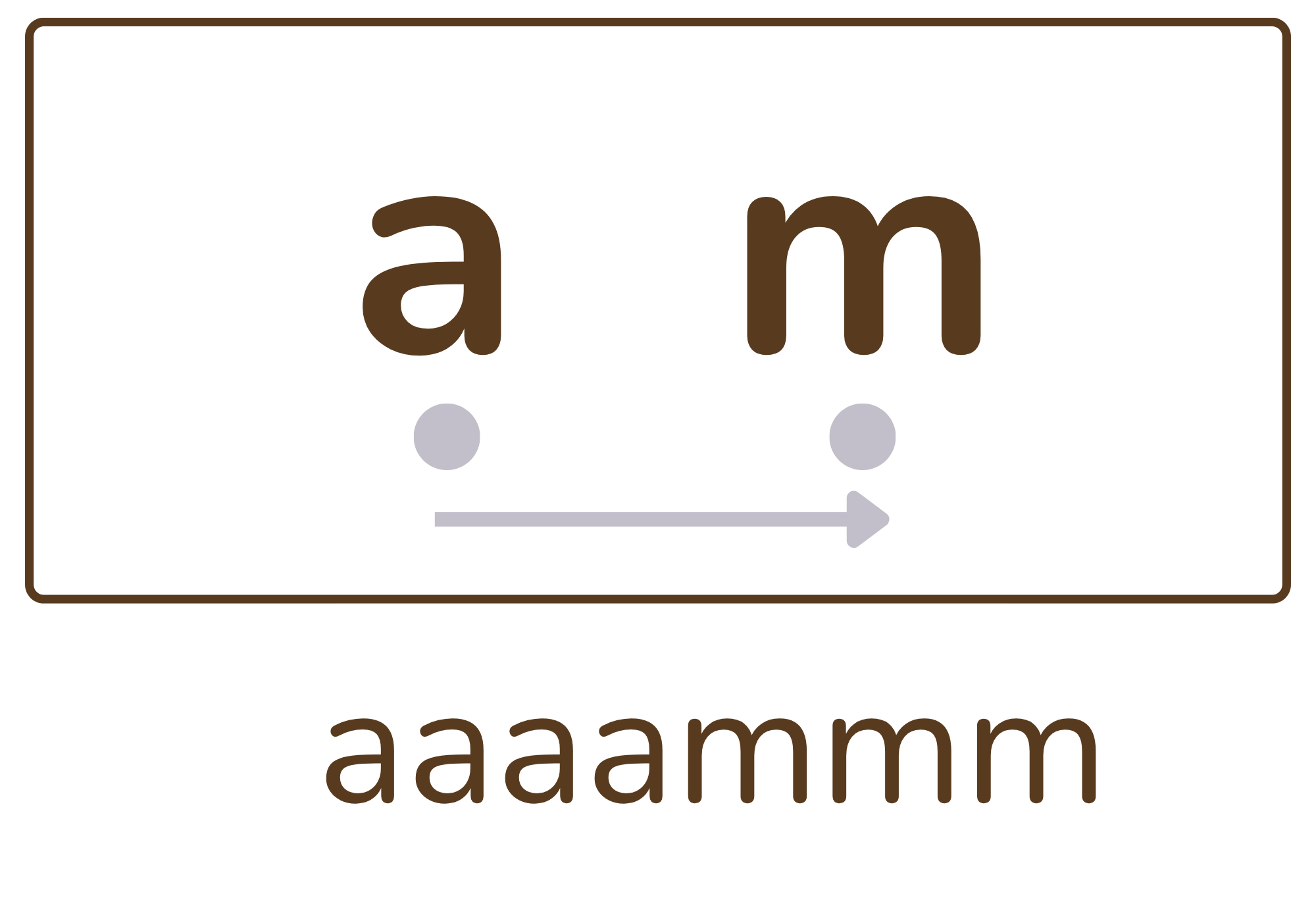
Blend it faster
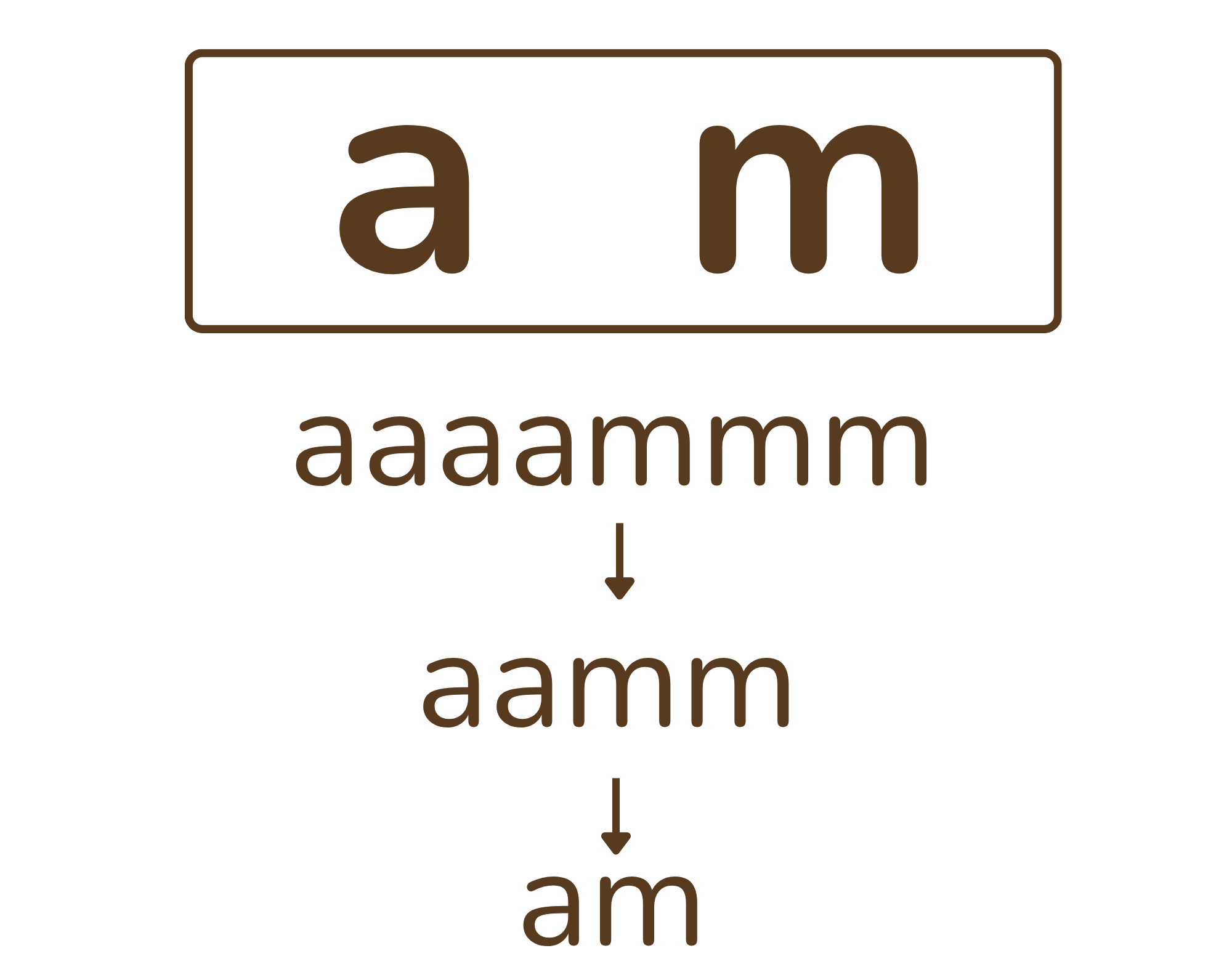
Repeat the sounds a little faster until they hear the word:
-
Once my daughter understood how to blend sounds, we still needed time to practice. We practiced until she could comfortably read almost any simple two-letter word I wrote on the whiteboard.
There aren’t a lot of two-letter words, so I used plenty of made-up words, too. At this stage, the goal was just to practice the concept of blending sounds together.
To keep things simple, I’ve included some free printable packets of two-letter practice words above under the Practice Blending button.
Once my daughter could easily read two-letter words, I knew she understood blending well enough to move on to a slightly harder challenge: three-letter words.
-
My child says both sounds, but doesn't hear the word.
Try saying the sounds together slowly, then repeat them a little faster each time:
aaaaammm → aaammm → am
You can do this together at first. As your child starts to understand what you're asking them to do, gradually let them take over.
My child is having a hard time blending while looking at the letters.
Try practicing without the letters for a while. Say two sounds out loud and ask your child to push them together. For example, you might say /ă/ /mmm/ and ask, “What word do those sounds make?”
This kind of practice can happen anywhere. Try a few while you're in the car, during bath time, or whenever you have a couple of minutes. Once blending the sounds by ear starts to feel easier, try the written version again.
We're running out of two-letter words to practice.
It's completely fine to use made-up words. There aren't many simple two-letter words in English, and right now the goal is learning how to blend sounds, not learning vocabulary.
Something like af or ip gives your child just as much blending practice as a real word. Just make sure you're using letter sounds they've already learned.
My child forgets one of the letter sounds.
Just remind them and keep going. If they look at m and can't remember its sound, you can simply say, “This one says /mmm/,” and continue with the blending practice.
They don't need to start over or master every letter perfectly before they're allowed to practice blending.
My child can do it when I help, but not by themselves.
That's okay. Give them as much help as they need at first. You might model the whole blend, blend along with them, or start the first sound and let them finish.
As it gets easier, slowly give less help. The goal isn't for them to do it independently right away. You're showing them how the process works so that eventually they can do it on their own.
My child is getting frustrated.
Stop for now. Blending takes practice, and a few positive minutes are more useful than pushing through a long, frustrating session.
You can come back to it later or try a different kind of practice, like blending sounds out loud during play or bath time. There's no need to finish a certain number of words in one sitting.

AFTER THEY’VE LEARNED TO BLEND
Reading CVC Words
Once your child can easily read 2-letter words, they’re ready to try reading some consonant-vowel-consonant (CVC) words. These can feel a little harder, and it’s okay if your child needs a bit more help at first.
TRY THIS FIRST
Start with a simple word
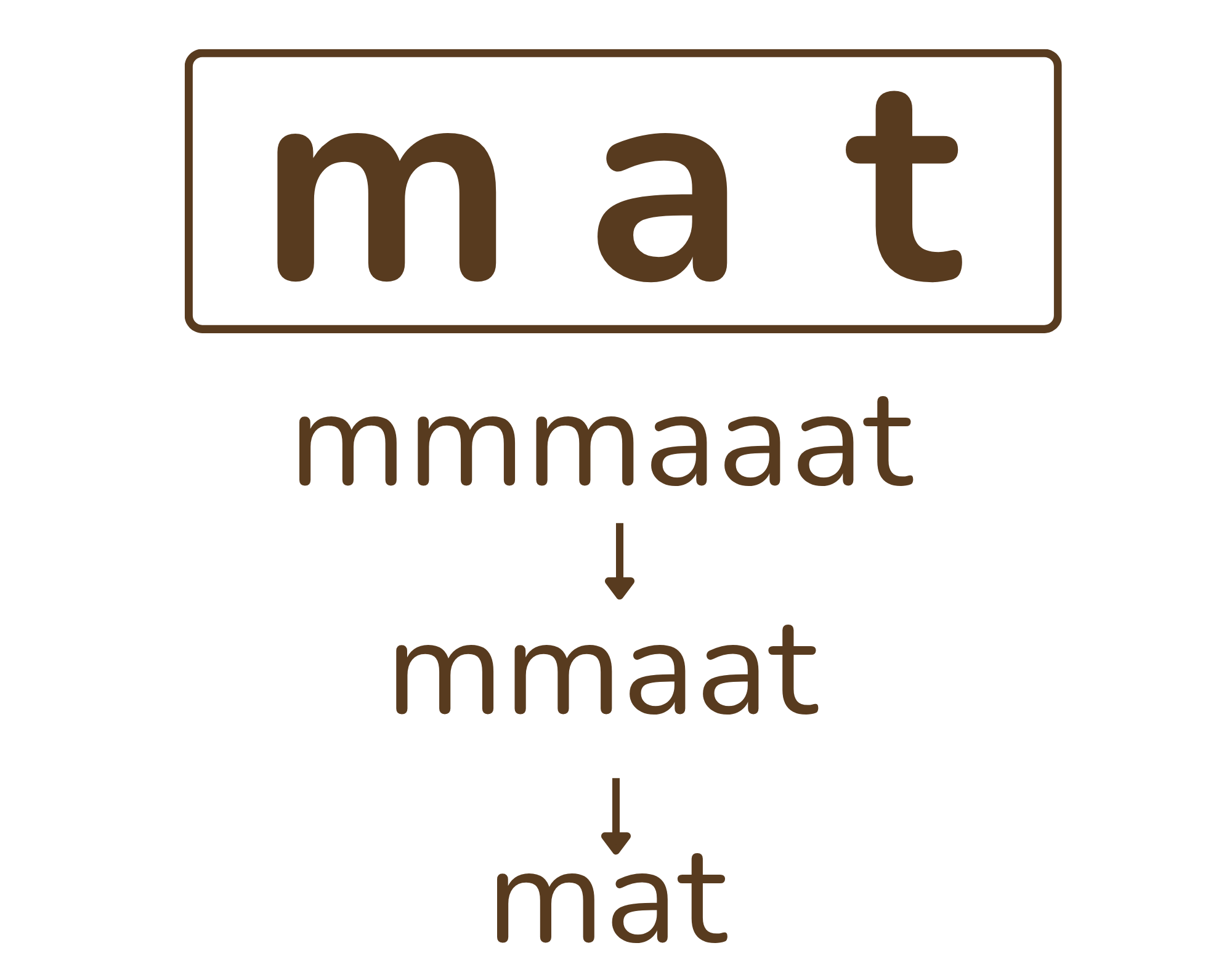
Write a 3-letter word like “mat”
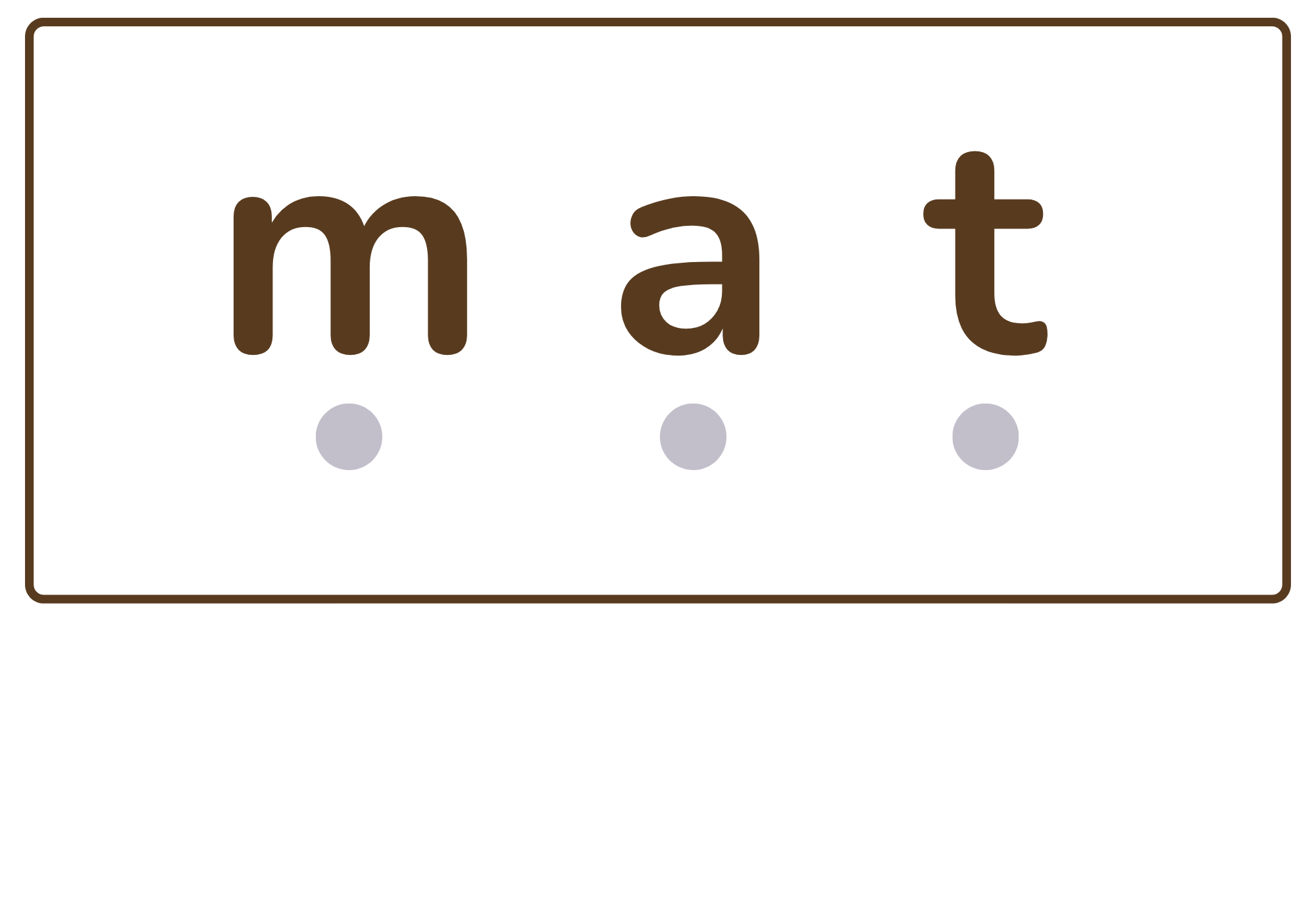
Say each sound
Point to each letter, and have your child say its sound.
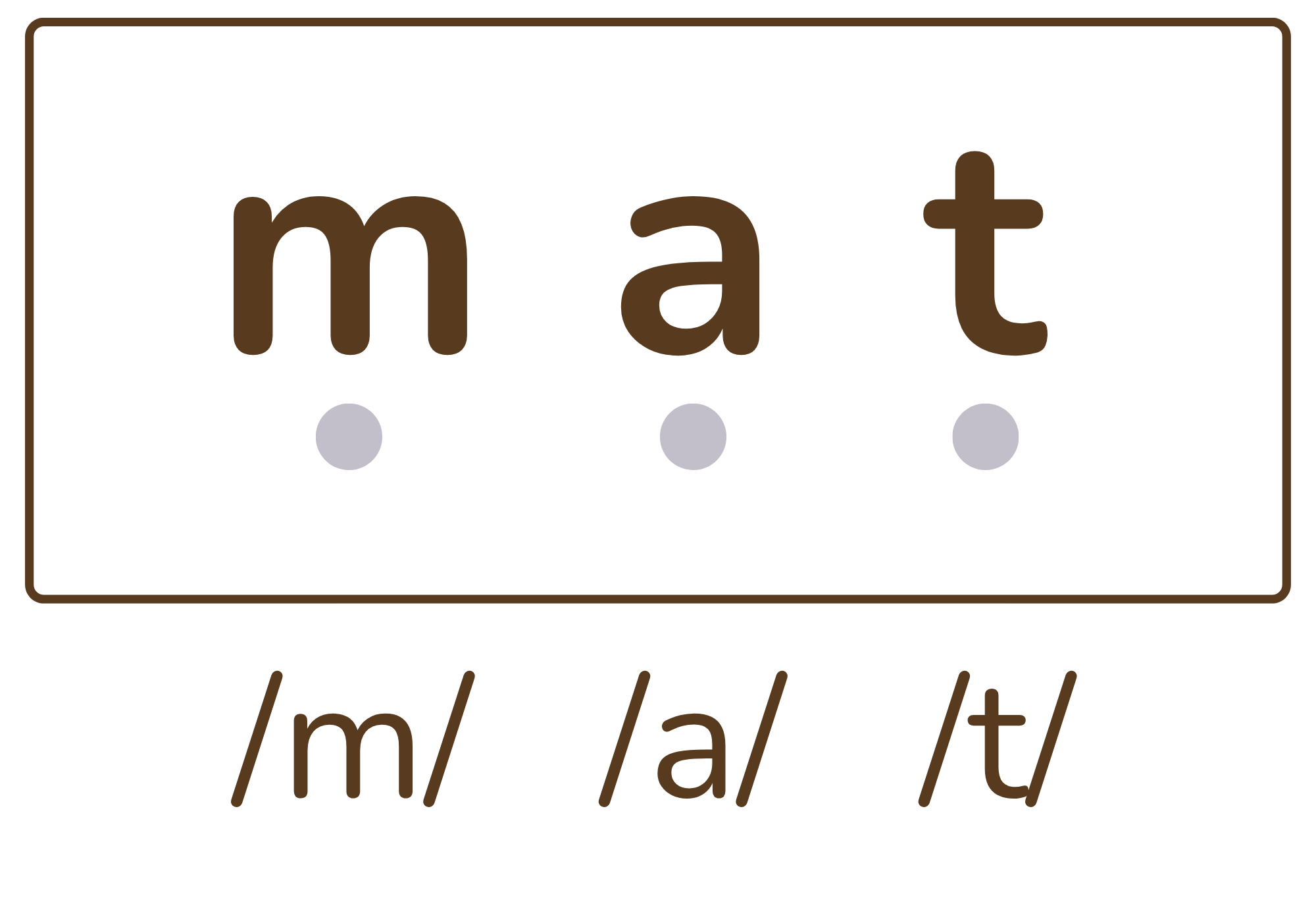
Blend all three sounds together.
Have them move from one sound straight into the next without pausing.
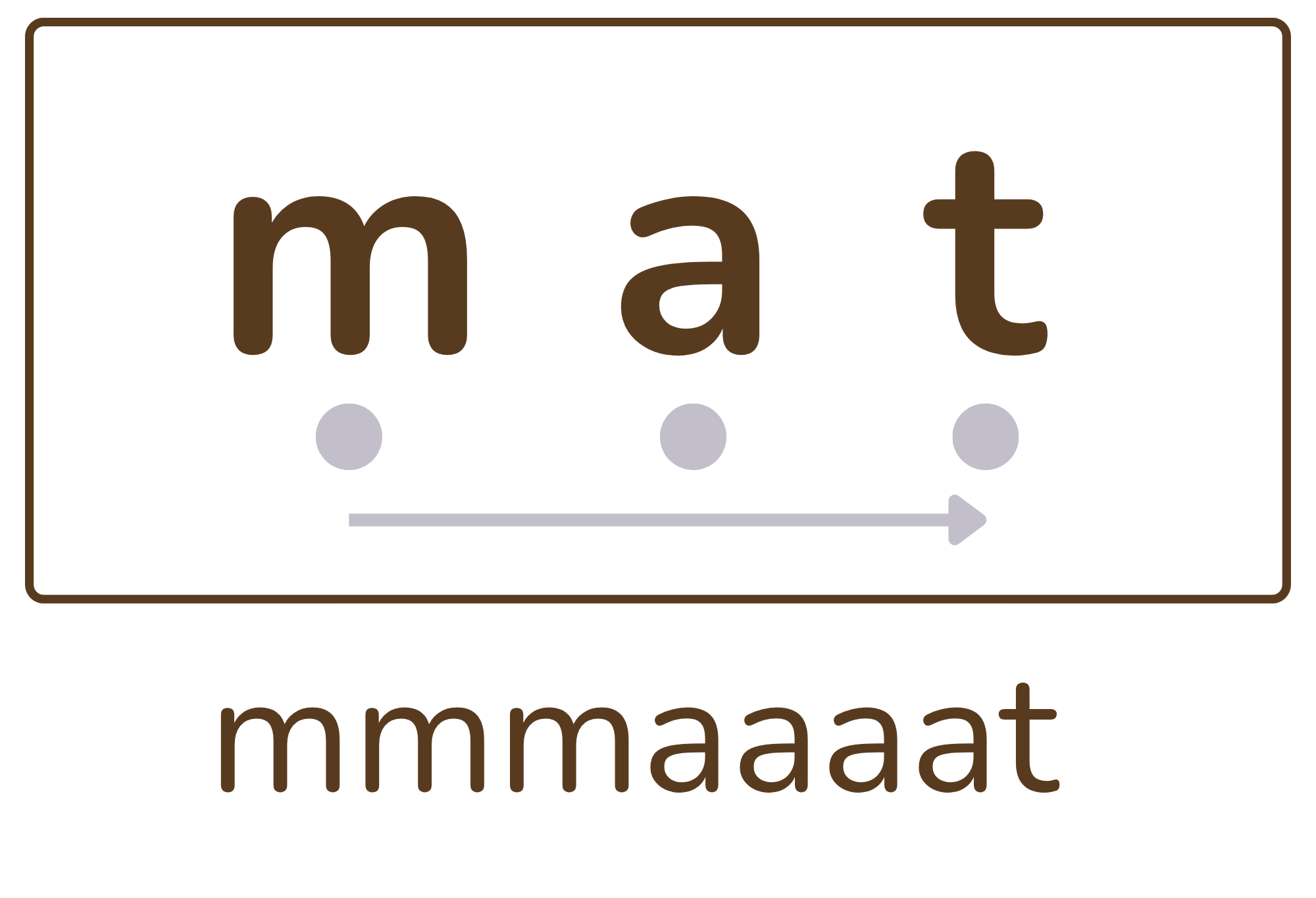
Blend it faster
Repeat the sounds a little faster until they hear the word:
-
Once your child understands how to blend three sounds together, they’ll still need some time to practice.
It can help to start with words that follow the same pattern, like mat, sat, pat, and rat. Keeping part of the word the same makes the task a little easier while your child gets comfortable blending three sounds.
Once those are getting easier, mix up the patterns and have your child practice reading different CVC words together.
I’ve included a free CVC practice packet under the Practice CVC Words button. It starts with groups of similar words and ends with a mixed review.
When your child is getting comfortable reading simple CVC words, you can start using those skills to read parts of a story.
-
When my daughters were first learning to read CVC words, I noticed that adding just one more sound could make things surprisingly difficult. Sometimes they would forget the first sound by the time they reached the end of the word, drop the last sound, or mix up the order.
Whenever they were struggling, I’d ask myself:
“How can I make this just a little easier?”
If my daughter was struggling with cat, I might cover the c and have her read at first. Once she could do that, I’d uncover the c and help her put the whole word together. We might start with c-at and repeat it a little faster until she could hear how the sounds came together to make cat.
If that still wasn’t enough, I would model it myself. I’d sound out the word slowly and watch for the moment she recognized what I was saying. If she still didn’t hear it, I’d blend the sounds a little faster.
Sometimes giving this much help can feel a bit like cheating. It can feel like you’re giving your child the answer. But I tried to give my daughters only as much help as they needed to succeed. They always tried first on their own. If they got stuck, I made the task a little easier. If that wasn’t enough, I modeled it for them.
Even when they couldn’t read the word independently yet, they were still learning by watching and listening. As they got more comfortable, I gradually gave them less help. Little by little, I stepped back and they did more on their own until they could read the word by themselves.
Once your child can comfortably sound out simple three-letter words, they’re ready for the really exciting part: reading their first sentence!
Ready for Sentences?
Looking for more reading resources?
I’ve put together the books, flashcards, games, and other reading tools I’ve found helpful along the way.